We are here to help
Paloma Health provides NHS-funded autism assessments for children through Right to Choose. Any GP in England can refer your child to us.
Every child is different, and we understand how important early support is. Our team is here to make the process simple, supportive, and centred on your child’s needs.
If your child is showing signs of autism, talk to your GP about a referral to Paloma Health.


How our service works
Paloma Health is only available in England, and only NHS GPs in England can refer into our service
NHS GP referral
To begin the process, your NHS GP will need to refer your child to us.
- For our remote or hybrid Exeter pathway, your GP can complete a simple online referral form.
- For our hybrid Norwich pathway, your GP will need to contact us directly to request a specific referral form.
We’re happy to support your GP with any questions they may have.
The assessment
Our assessments follow NICE and NHS guidelines and are carried out by two qualified clinicians. The process includes:
- Parent and school questionnaires
- Parent interview
- A child observation
We’ll keep you informed at each stage so you always know what to expect.
The outcome
At the end of the process, you’ll receive a clear, easy-to-understand outcome report, including a diagnosis if appropriate.
As an NHS provider, we’ll also securely share the report with you and your GP, ensuring continuity of care and next steps.
Appointment wait times
Waiting for an assessment can be an uncertain time for families, and we want to give you as much information as possible. We book children in based on date of GP referral. Our waiting time for a first appointment applies to all families who have not yet received their first appointments and depends on your child's pathway:
Remote pathway (8-18 years): 11 weeks
Hybrid Norwich Pathway (6-18 years): 14 weeks
Hybrid Exeter Pathway (2-4 years): 13 weeks
Hybrid Exeter Pathway (5-18 years): 14 weeks
The above is an average, and your family's specific wait can be shorter or longer. This is because each assessment is unique and depends on a few factors, such as how quickly we receive the necessary information from schools or nurseries and the availability of our specialist assessors.
Our top priority is always to provide a high-quality, thorough assessment for your child to help them receive the support they need.
What to expect during the assessment
If you suspect your child might have autism, we understand how emotional and overwhelming this time can be. Here's what you can expect during the assessment.
Once you start the assessment, you’ll access an online platform with valuable autism-related information, curated by our clinicians.
Online questionnaires


Parent interview

Child observation

Outcome meeting
Compassionate experts
You may have been waiting a long time for an assessment, and it’s normal if you feel nervous or anxious about this important moment. Rest assured, you can expect the highest quality care. We work with a variety of 39 assessors, including experienced senior professionals who will guide you and your family toward the clarity you need.
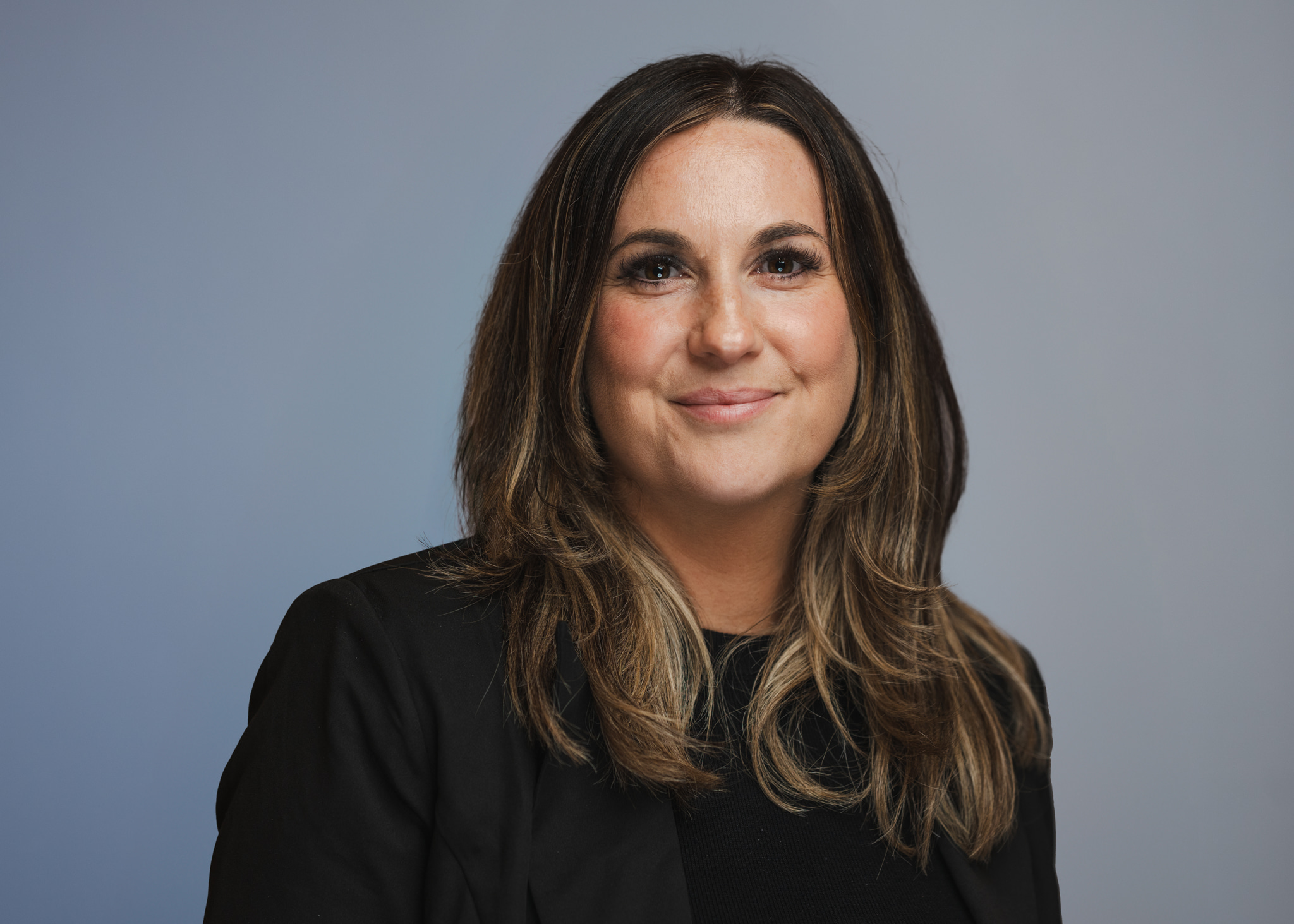
Stephanie
I'm a Speech and Language Therapist with over 20 years of experience working with autistic children and young people. Before working as a speech and language therapist, I was a care officer in a residential special school, caring for five young people with a range of complex needs. My interest has always been autism and I have continued to develop my professional practice and knowledge.
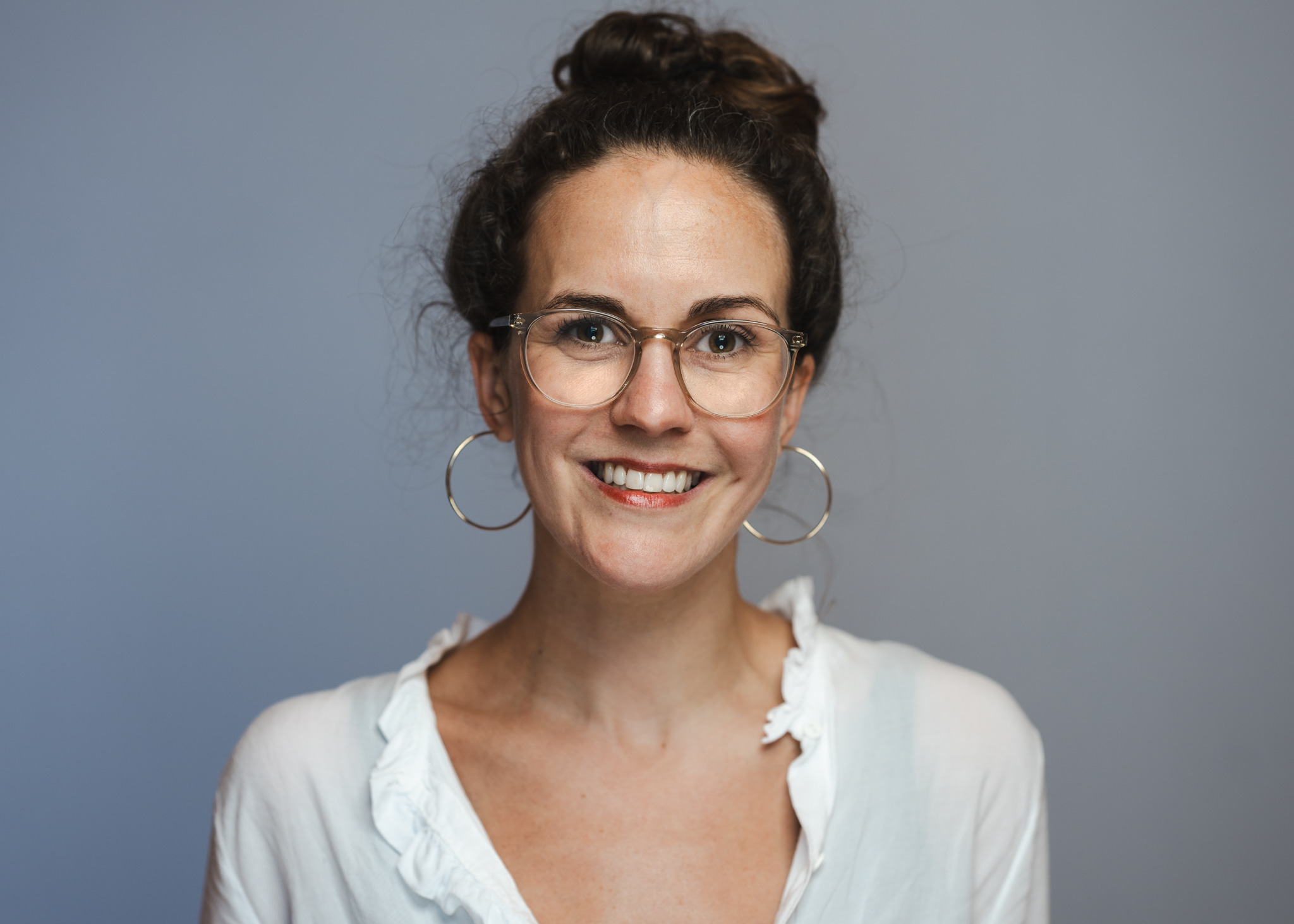
Shona
Exploring, identifying and supporting understanding of autism has been part of my Speech and Language Therapy role since I qualified in 2013. I believe strongly in individuals having the opportunity to understand themselves and their life experiences at the right time for them, and - regardless of the outcome - they should come out of assessment feeling heard, understood, validated and ultimately empowered.
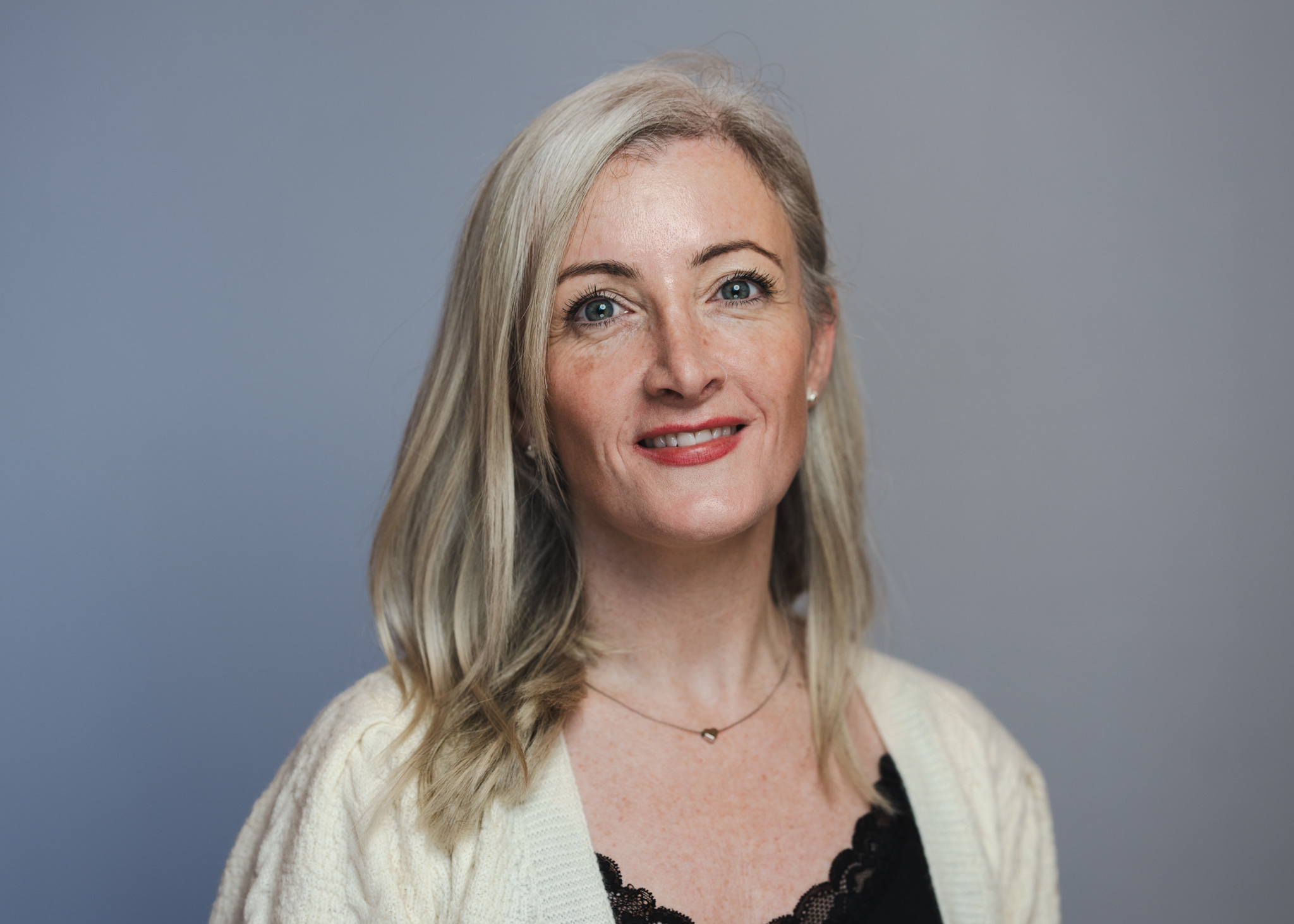
Nichola
I’m a qualified and registered Social Worker with the SSSC. I graduated from Glasgow Caledonian University in 2018. Over the years, I have worked with people of different ages, from infants to the elderly, in various contexts. I am passionate about helping neurodivergent people feel validated and listened to. I have a keen interest in masking behaviours and the more subtle autism presentations.
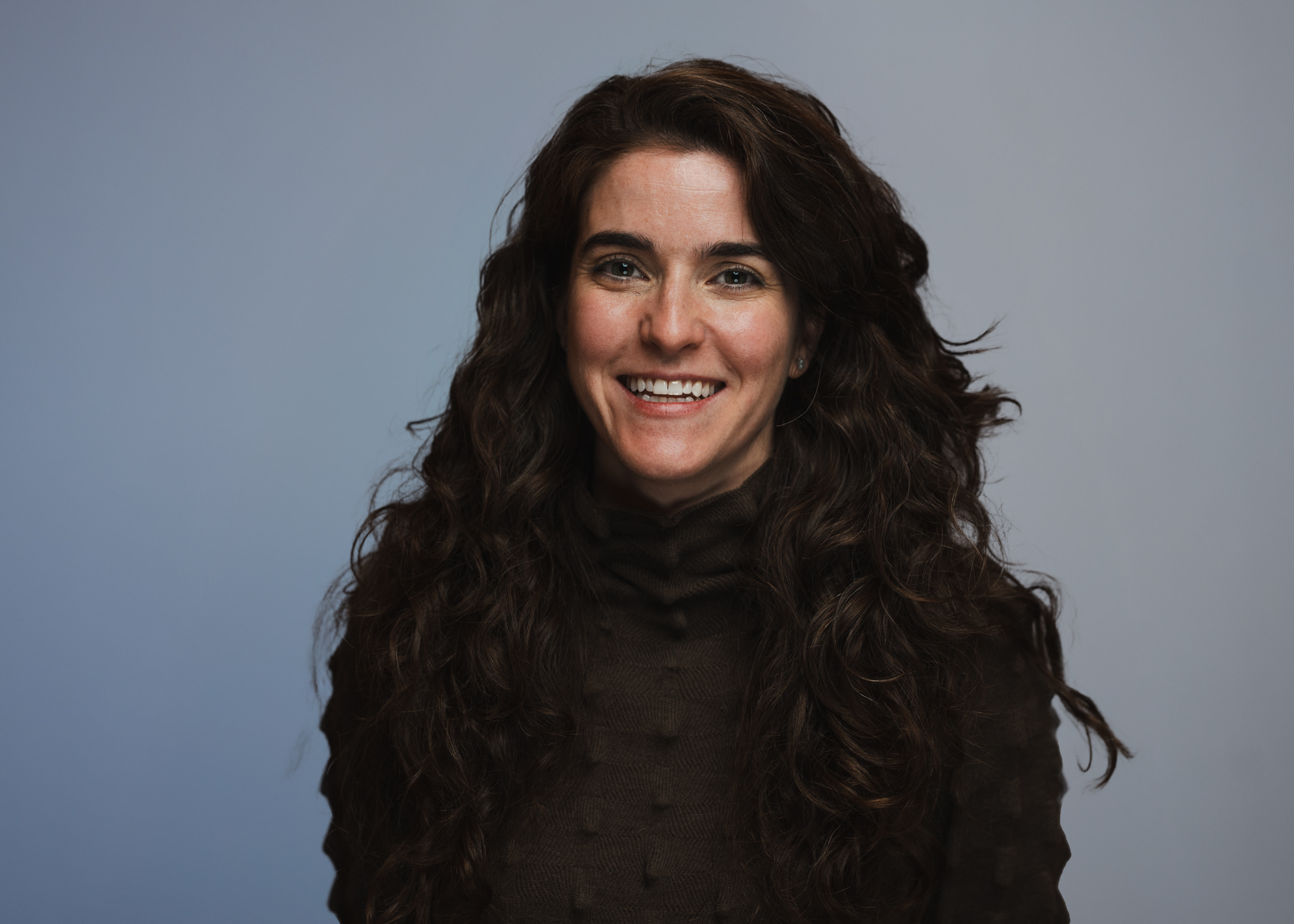
Maria
I'm a Clinical Psychologist with over a decade of experience in ASD and ADHD assessments. I love what I do, and for me, assessments aren’t just about ticking boxes—they’re about really understanding each child and making sure families get the support they need.
Why parents choose Paloma Health

No cost to you
We are a NHS Right to Choose provider

Fast
Our remote pathway provides first appointments approximately 11 weeks after NHS GP referral.

Safe
Assessments are performed by expert assessors

NHS approved
Your outcome report will be
accepted by local authorities
and other NHS services

Great communication
We keep you updated at every step of your assessment journey
Which autism assessment is right for your child?
Please answer the questions below to find which of our assessment pathways (remote or hybrid) is best for your child.

Takes 2 minutes to complete
To request a Right to Choose referral

Complete one of our screening questionnaires to identify if your child has signs of autism


Prepare for what questions your GP may ask


.avif)
.avif)
Preparing for your GP appointment
We recommend checking the NICE guidance Appendix: features suggesting possible autism to help you feel more confident in speaking to your GP about an autism assessment for your child.
For individuals aged 16 and older, The Camouflaging Autistic Traits Questionnaire (CAT-Q) is a self-report that measures social camouflaging or "masking" behaviours (the effort to hide autistic traits). Because this significant effort to mask can obscure typical autistic signs, the CAT-Q helps identify individuals whose autism is not immediately apparent.
The CAT-Q assesses the extent to which camouflaging strategies are used and is particularly relevant for identifying autism in females and gender-diverse people, who may be under diagnosed or misdiagnosed due to their ability to mask autistic traits.
The ranges for the total CAT-Q score are as follows:
- Extremely Low (total score of 25 to 51)
- Low (total score of 52 to 75)
- Moderate (total score of 76 to 112)
- High (total score of 113 to 136)
- Extremely High (total score of 137 to 175)
The AQ-10 is another useful screening tool which is focused on male presentation of autism but can also be used for females:
Children aged between 2 to their 5th birthday must be assessed by a community paediatrician who recommends an autism assessment before being referred to Paloma Health for an autism assessment.
This ensures that any medical conditions are appropriately checked for before beginning the autism assessment process.